



After having a baby, it’s normal to reach a point where you’re ready to move your body again. A question for many women is, “When can I start working on my core after childbirth?”
The answer isn’t always straightforward. Everyone’s pregnancy is unique, putting different demands on abdominal muscles, pelvic floor and supporting structures. Recovery looks different for every woman.
The key is focusing on the right exercises at the right time and progressing gradually as your body recovers. This is something Grace Private’s Women’s Health Physiotherapist, Elle Pidgeon, regularly talks about with new mothers, providing personalised guidance based on each woman’s recovery, symptoms and goals.
During pregnancy, your abdominal muscles stretch to accommodate your growing baby. Your pelvic floor, diaphragm and deep core muscles also adapt to support the physical changes taking place in your body. After birth, these muscles don’t automatically return to their previous strength and function
As a result, many women experience symptoms such as:
A strong, functional core helps support posture, movement, lifting, carrying your baby and reducing unnecessary strain on other parts of the body.
You don’t have to wait months before doing any core exercises. Gentle rehabilitation can often start much earlier. Simple breathing and activation exercises can often be introduced in the early weeks following birth, depending on your recovery and medical advice.
More challenging exercises should be introduced gradually and based on factors such as:
There is no one-fits-all timeline. What matters most is working with your body rather than rushing the process.
In the beginning, it’s more important to reconnect with your deep core muscles rather than jumping straight into high-intensity workouts or abdominal exercises.
Diaphragmatic breathing: Breathing exercises help to rebuild core function. The diaphragm, pelvic floor and deep abdominal muscles all work together. Learning how to coordinate these muscles can help create a strong foundation for future exercise.
Pelvic floor exercises: Your pelvic floor is important for core stability. Gentle pelvic floor activation can help improve support, bladder control and overall function while supporting your recovery.
Pelvic tilts: Pelvic tilts help you gently engage the abdominal muscles while improving awareness of posture and pelvic positioning.
Heel slides and marching exercises: These low-impact movements activate the deep abdominal muscles while encouraging control and stability through the pelvis and trunk.
Functional movement training: Core recovery doesn’t only happen during exercise sessions. Activities such as getting out of bed, lifting your baby, carrying a capsule or pushing a pram all provide opportunities to practice engaging your core safely throughout the day.
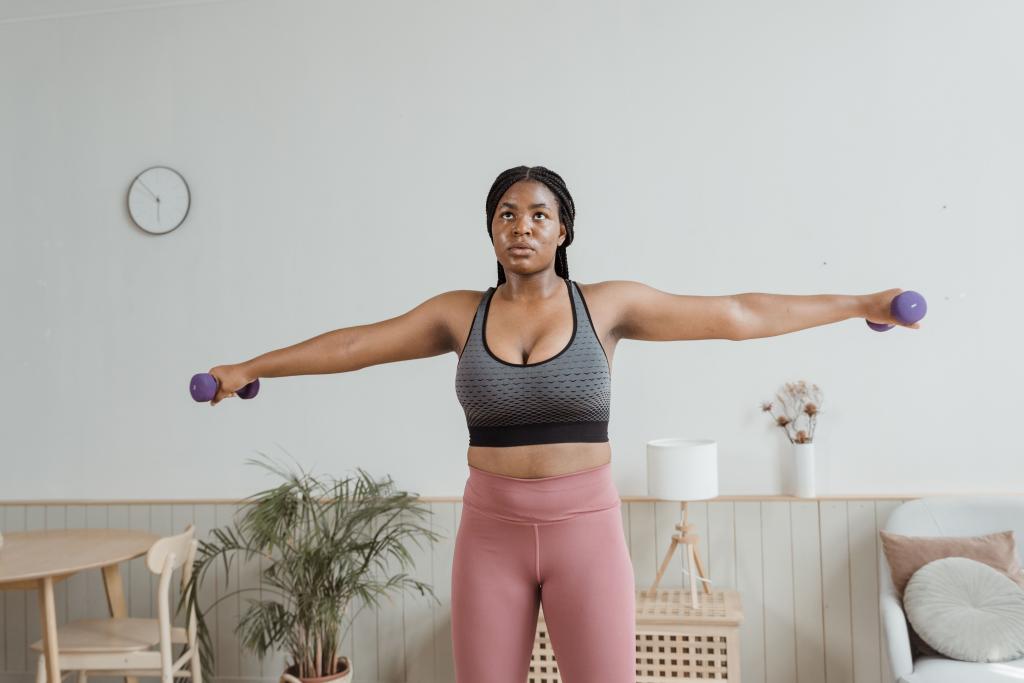
One of the most common mistakes we see women make is progressing to advanced exercises far too quickly. Everyone’s recovery is different, but certain movements can place increased pressure on healing tissues and the pelvic floor if introduced too early.
Depending on your individual recovery, you may need guidance before returning to:
We’re not saying these exercises are off-limits forever. It simply means your body may benefit from a gradual progression that supports long-term recovery and reduces the risk of setbacks.
It’s easy to fall into the trap of comparing your recovery to someone else’s, especially when social media is filled with stories of women returning to exercise so soon after having a baby.
The reality is that every postpartum journey is unique. Some women feel ready to return to more challenging exercise quickly, while others may need additional support to address pelvic floor concerns, abdominal separation, pain or weakness. Neither experience is right or wrong.
If you’re experiencing symptoms such as pelvic heaviness, leaking, persistent back pain, abdominal doming, discomfort during exercise or concerns about abdominal separation, it may be time to seek professional advice.
A women’s health physiotherapist can assess your recovery, identify any underlying concerns and provide a personalised exercise plan tailored to your needs. An assessment can help provide clarity and confidence as you return to movement and exercise.
At Grace Private, our physiotherapist, Elle Pidgeon, works with women at all stages of their postpartum recovery. Whether you’re a few weeks postpartum, preparing to return to exercise, managing pelvic floor concerns or looking for advice on rebuilding your core strength safely, Elle can help create a personalised plan that works for your body.
Recovering after having a baby isn’t about getting back to where you were before. It’s about building strength and confidence. If you’d like personalised advice on safe core exercises after childbirth, book an appointment with Elle Pidgeon at Grace Private today.